3D Projection Mapping | National Maritime Museum
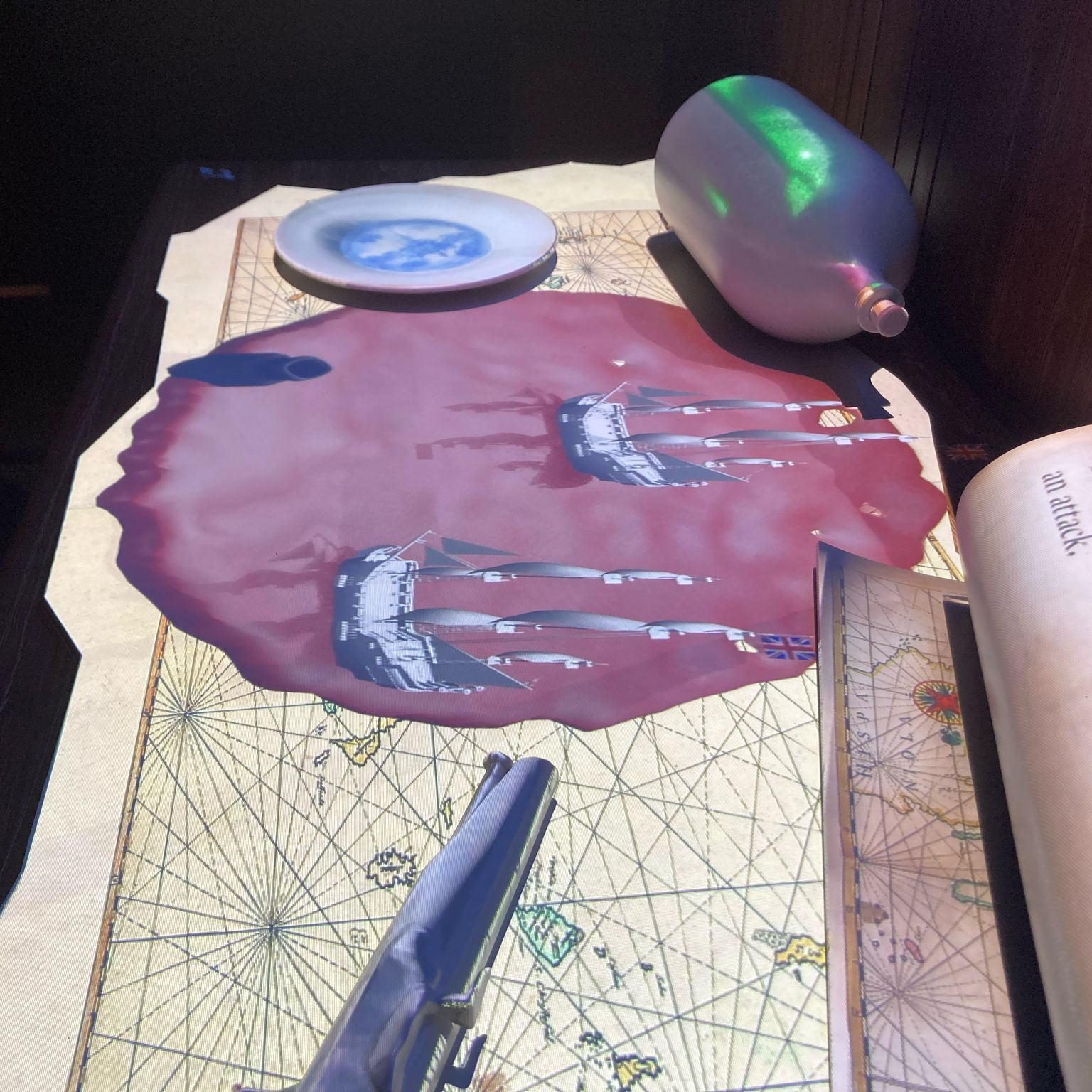
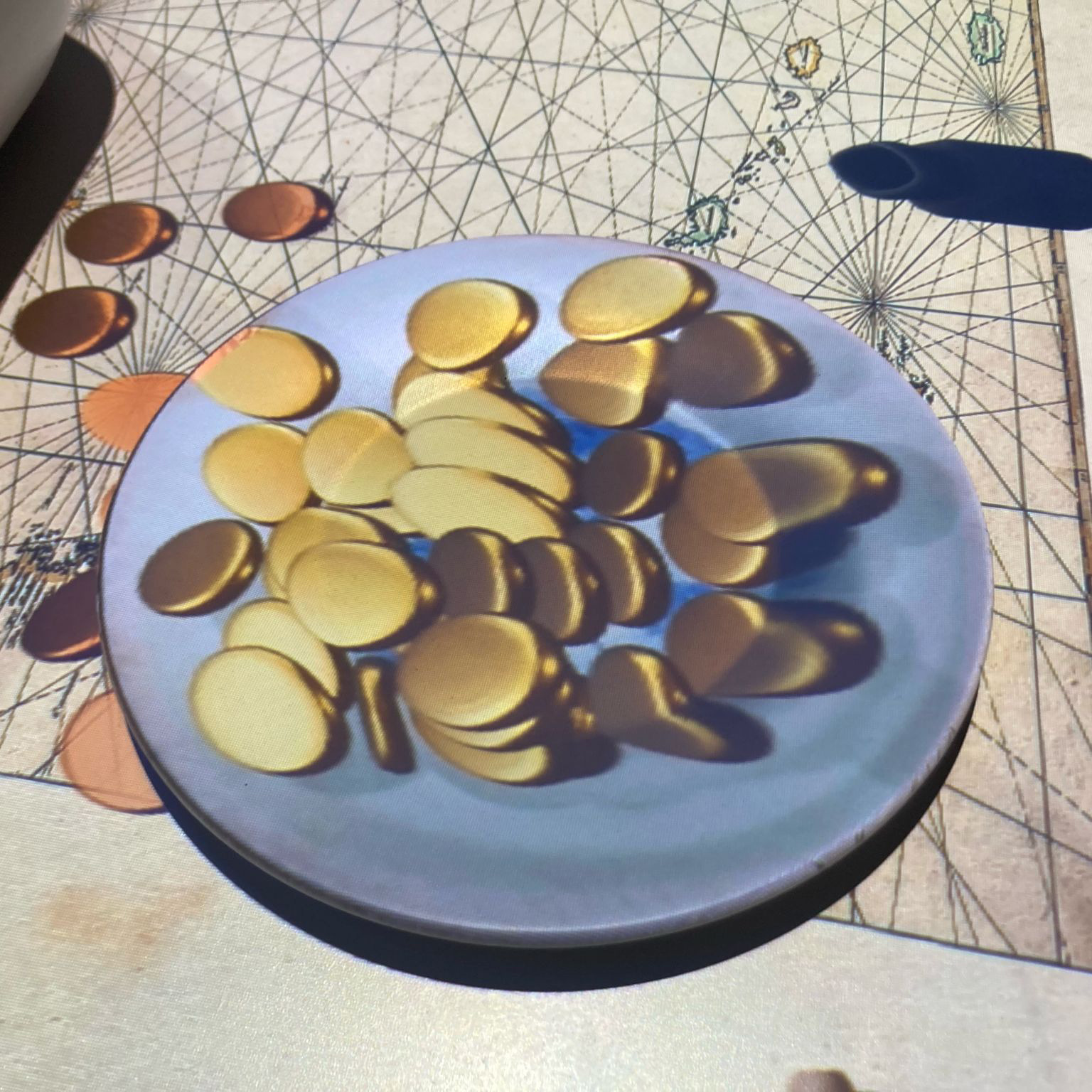
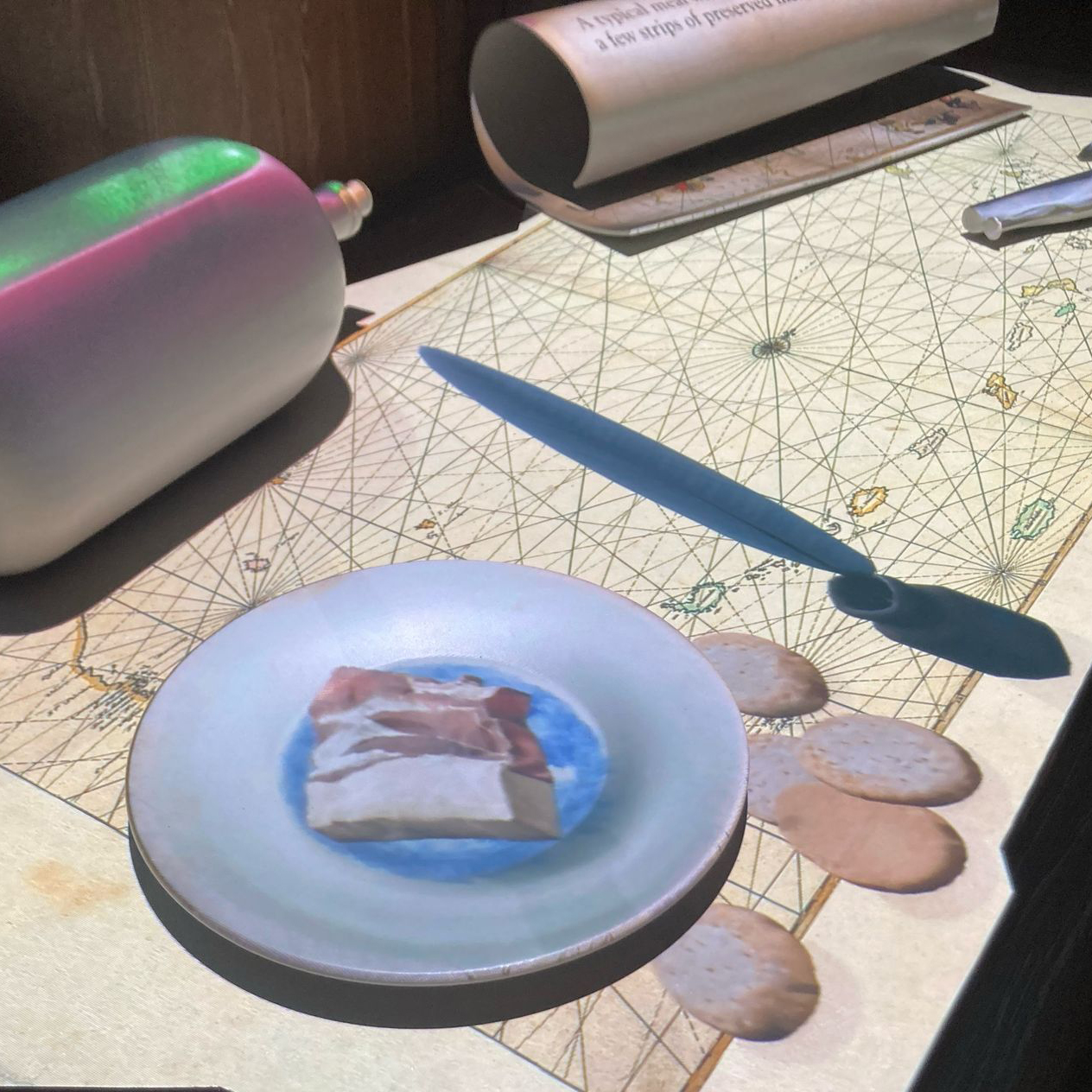
For this immersive piece, I collaborated with the curator and interpretation team to develop a storytelling experience that explores the historical concept of the Pirate Code. Our aim was to bring the code to life through videomapping—projected animation onto 3D-printed objects—blending narrative and technology.
The final 4-minute animation brought the Pirate Code to life, adding depth and atmosphere to the gallery while maintaining historical authenticity and creating an engaging visitor experience.
Led the digital development from concept to delivery, collaborating with curators to shape the story and managing the integration of animation with a 3D-printed scene.
Facilitated creative workshops and built on insights from past exhibits to balance passive storytelling with visual immersion, ensuring the projection naturally fit the visitor journey.
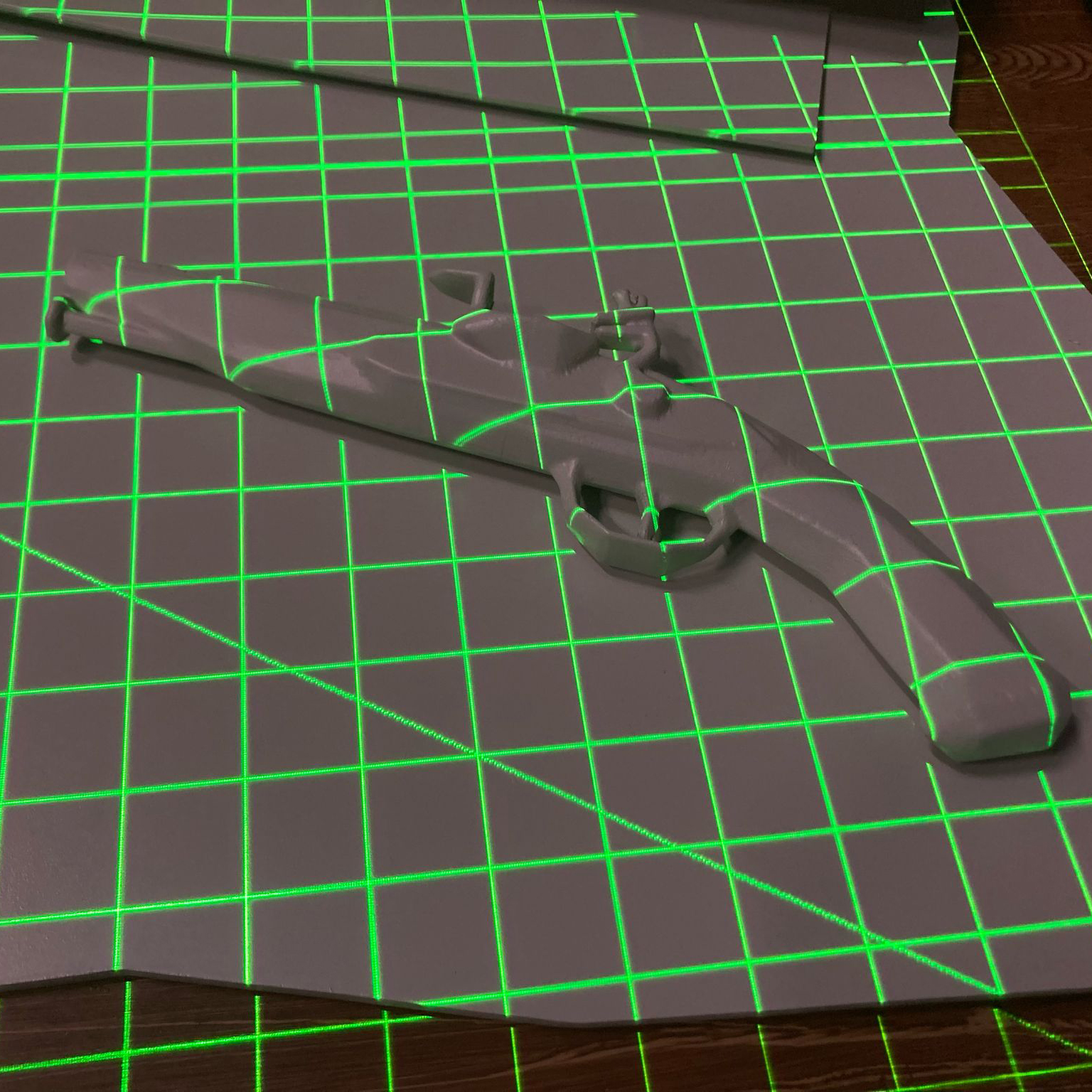
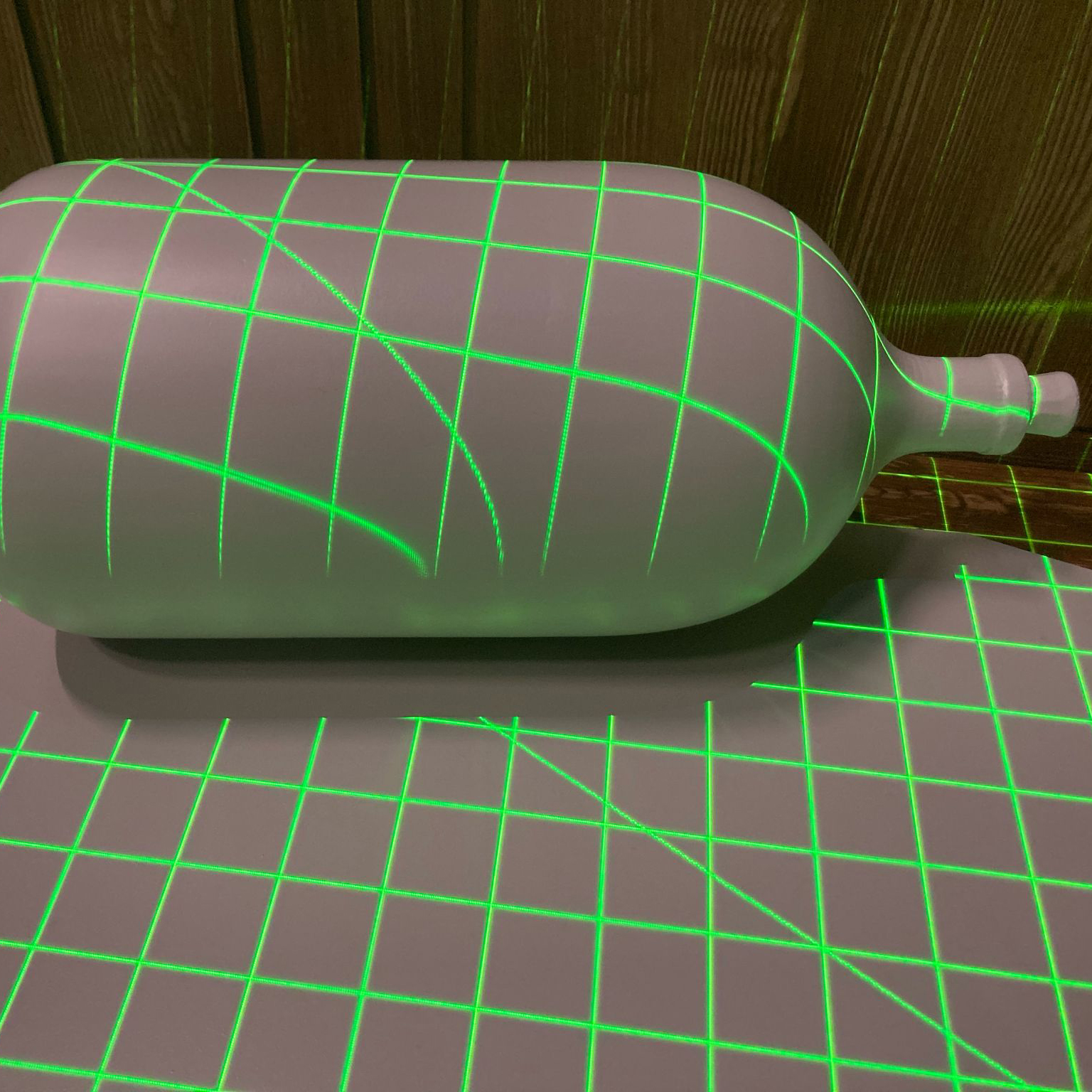
One of the most technically challenging aspects of the project was developing an anamorphic projection system for irregular, curved surfaces. The challenge required creating a method for projecting onto complex geometries with millimetre accuracy while maintaining visual coherence and storytelling impact.
The project began with a collaborative storyboard and script development phase. Together with the team, we identified key themes and selected objects that could represent elements of the Pirate Code. This dialogue shaped both the physical scene and the animation timeline.
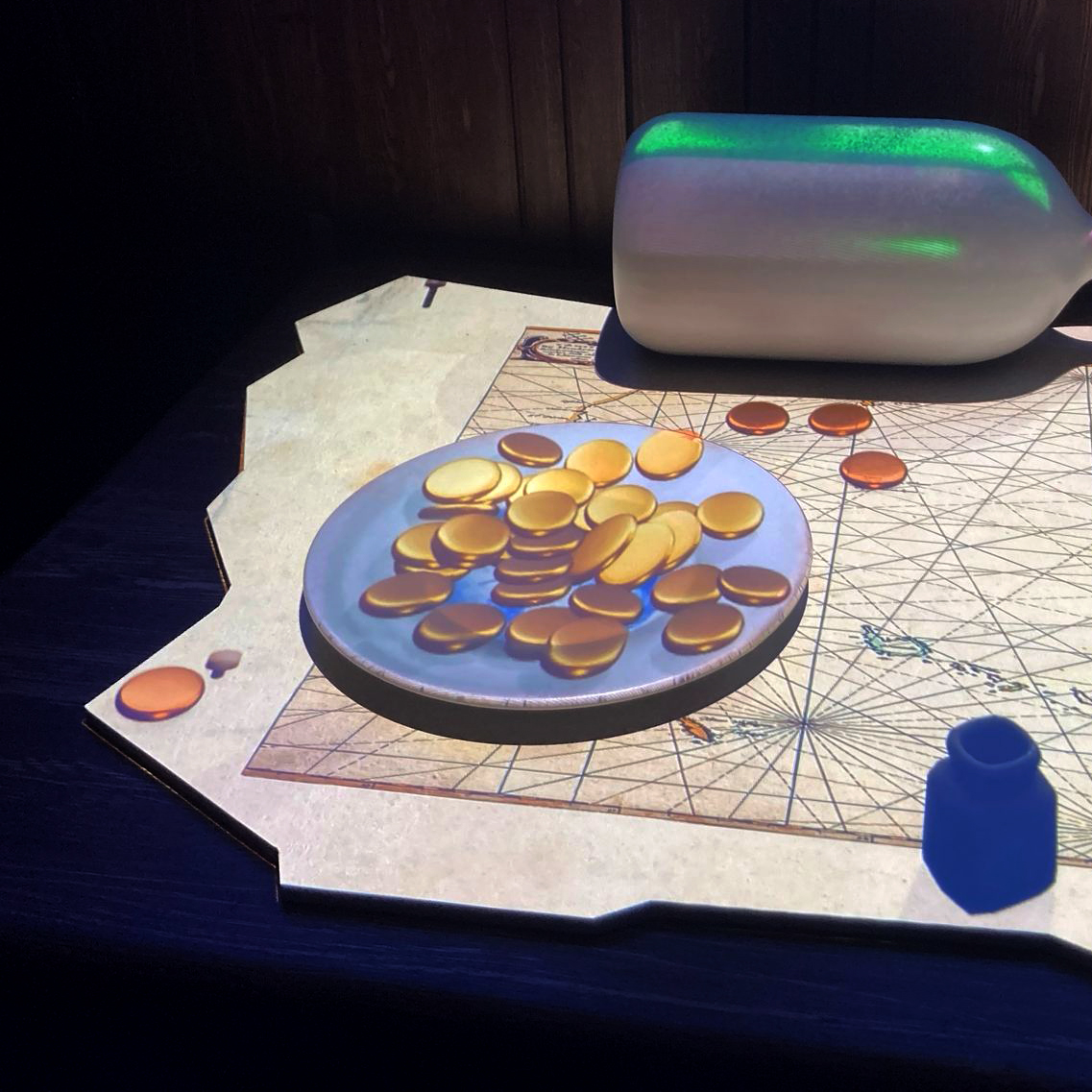
We recreated the final installation as a precise 3D model and printed scene. Every object in the physical set was also present in a digital replica, allowing me to align animations and projections with millimetre accuracy.
I led the research and testing process to understand how digital distortions could be calibrated to map correctly onto complex geometries. This custom method allowed us to project seamlessly onto curved, irregular shapes using 3D anamorphic distortion.
For the first time, I incorporated GenAI tools to generate initial object models and textures, speeding up prototyping and ideation. This innovative approach allowed for rapid iteration and exploration of visual concepts.
I designed and animated a 4-minute sequence that blends illustrative storytelling with visual atmosphere. The animation brings the Pirate Code to life through careful attention to environmental consistency and period-appropriate details.
I pay close attention to environmental consistency. For example, the bottle's reflective surfaces subtly mirror the windows of the set and flickering candlelight—tiny touches that help anchor the animation in the real space and evoke the mood of an 18th-century pirate hideout.